
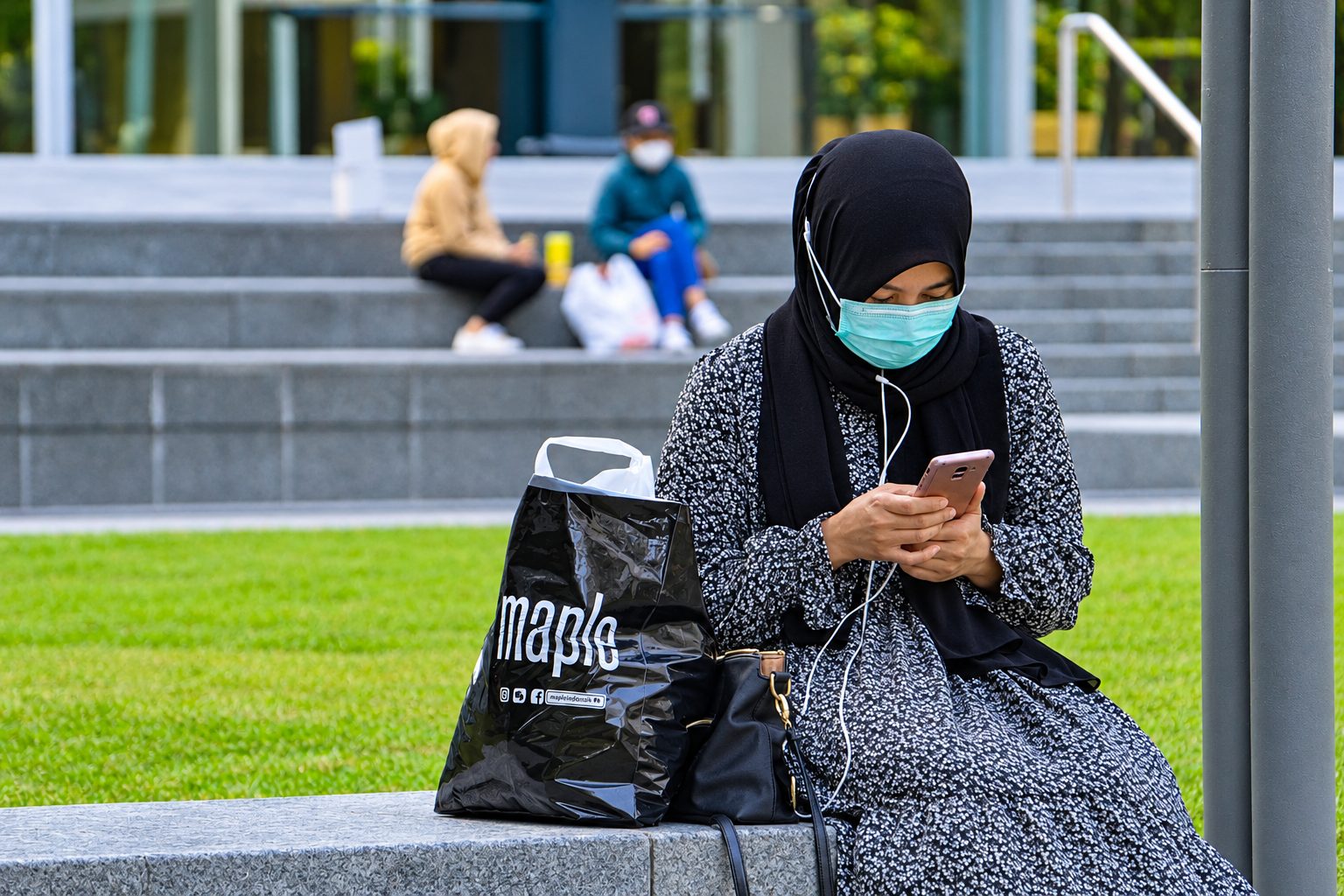
When I first came to Hong Kong, I found it odd that my colleagues would call out locals for their racism against migrant domestic workers (MDWs), a sector that I was to help organize through an NGO.
Later, I witnessed a Mong Kok shop owner shooing away a Black African guy who was asking about a certain merchandise. The local lady seller then turned towards me and asked what I wanted to buy, which made feel extremely uncomfortable. I gestured towards the other fellow and told her to attend to him first, then abruptly walked away as a sign of protest.
“They’re more xenophobic than racist, I think,” I thought to myself like the idealistic liberal that I was. After all, who would have expected that a non-white society that experienced racism under British colonialism could itself be racist?
I got my answer from then-head of the Equal Opportunities Commission (EOC) Lam Woon-kong, who was in a dialogue with MDW organisations (including mine). He said that racism among Hong Kongers starts at an early age, and told us of a local research among school children that sought to gauge their racial perceptions of colour (black, yellow and white). The result? Majority said that white means good, yellow can be good and bad, and black means bad.
These perceptions cannot just be the fault of the parents, who are mostly absent from home on weekdays. Many Hong Kong kids also grew up with “coloured” (mainly Southeast Asian) nannies, who would be the last persons to teach racial discrimination. The probable culprits? A flawed educational system that puts finance to the fore and relegates social sciences and humanities in the background.
Education in Hong Kong
I once struck up a conversation with a Hong Konger who was studying in Australia, and I asked her why she prefers studying abroad compared to Hong Kong. “Universities here mostly make you memorise stuff, but education in Western schools abroad make you think,” was her quick reply.
Herein lies a key reason why Hong Kongers think the way they do, or not. Liberal ideas on human relations that other developed societies take for granted are not taught systematically in Hong Kong schools, often taking the form of optional courses that students immersed in finance-oriented education tend to ignore. Commonly learned in childhood, these ideas are certainly not forthcoming from a culture that is still heavily influenced by vestiges of British colonialism. Since it is true that education begins at home, racial discrimination is taught early on to local children and are not corrected in their growing up years by cultural vehicles meant for this purpose.
Racism in Hong Kong is more than skin deep; it is systemic and needs the sustained policy intervention of the government. NGOs and other rights-based groups certainly have a role to play in breaking down racial prejudices, but a humanistic reorientation of the educational system would strike at the roots of this social malady and create a city that is truly cosmopolitan in all senses of the word.